 Another major thing to consider when buying car wheels is their size. A purchase of a new car includes wheels specific – or at the very least, perfect – for that make and model. However, if you are looking to REPLACE wheels on your car, you have to make sure that the new wheels are close in diameter to the original wheels – in other words, your new wheel and tire need to be as close in diameter as your old wheel and tire.Following this particular rule will benefit you in at least 2 ways:You won’t have to spend more money to make additional modifications to your car and/or wheels to make them fit
You won’t risk your safety since you will have control over your vehicle on the road.Nevertheless, the common practice among drivers is to buy bigger wheels than they originally had on their vehicles.Why, do you ask?On the one hand, bigger wheels make for a more beautiful car since they visually fill the gap in the car chassis around the wheel and tire, but you have to be pretty sure about which ones are best suited for your vehicle. Therefore, before you go on a spending spree, browse cars like yours or take to Photoshopping pictures of the wheels you like on your car.Furthermore, cars with bigger and wider wheels are more stable because they are stiffer and have more contact with the road. By the same token, they decrease the braking distance even on wet roads. They offer better overall handling of the vehicle and improve driver confidence and security.
Another major thing to consider when buying car wheels is their size. A purchase of a new car includes wheels specific – or at the very least, perfect – for that make and model. However, if you are looking to REPLACE wheels on your car, you have to make sure that the new wheels are close in diameter to the original wheels – in other words, your new wheel and tire need to be as close in diameter as your old wheel and tire.Following this particular rule will benefit you in at least 2 ways:You won’t have to spend more money to make additional modifications to your car and/or wheels to make them fit
You won’t risk your safety since you will have control over your vehicle on the road.Nevertheless, the common practice among drivers is to buy bigger wheels than they originally had on their vehicles.Why, do you ask?On the one hand, bigger wheels make for a more beautiful car since they visually fill the gap in the car chassis around the wheel and tire, but you have to be pretty sure about which ones are best suited for your vehicle. Therefore, before you go on a spending spree, browse cars like yours or take to Photoshopping pictures of the wheels you like on your car.Furthermore, cars with bigger and wider wheels are more stable because they are stiffer and have more contact with the road. By the same token, they decrease the braking distance even on wet roads. They offer better overall handling of the vehicle and improve driver confidence and security.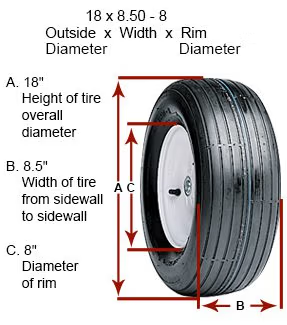
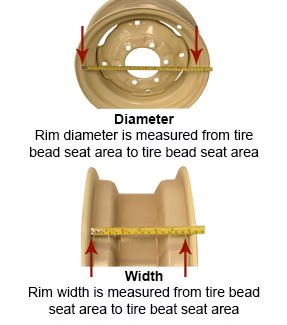 On the other hand, if you go for bigger wheels and tires than the manufacturer-issued ones, you might get disappointed with your acceleration times. If bigger, the new wheels and tires are heavier than the old ones, which means you’ll have to add some horsepower to your car as well to compensate for the poorer results. This will also reflect on your fuel consumption, i.e. your car will need more fuel to run than you’re used to. Finally, you will be less comfortable while driving if your new wheels and tires are bigger, harder, and have more contact with the road.
Rim and wheel comparison guide
Here is a pro and con list of different rims on a car:Steel rims
Pros:- Steel is a cheap option for a car wheel
- It is easily repaired if bent or buckled
- It is fuel-efficient thanks to its lightweight design
- It has a basic design. Nothing fancy or luxurious here
- It is best for smaller vehicles but will add more weight to a larger vehicle, which can lead to more fuel use and issues such as premature suspension failure
Alloy rims
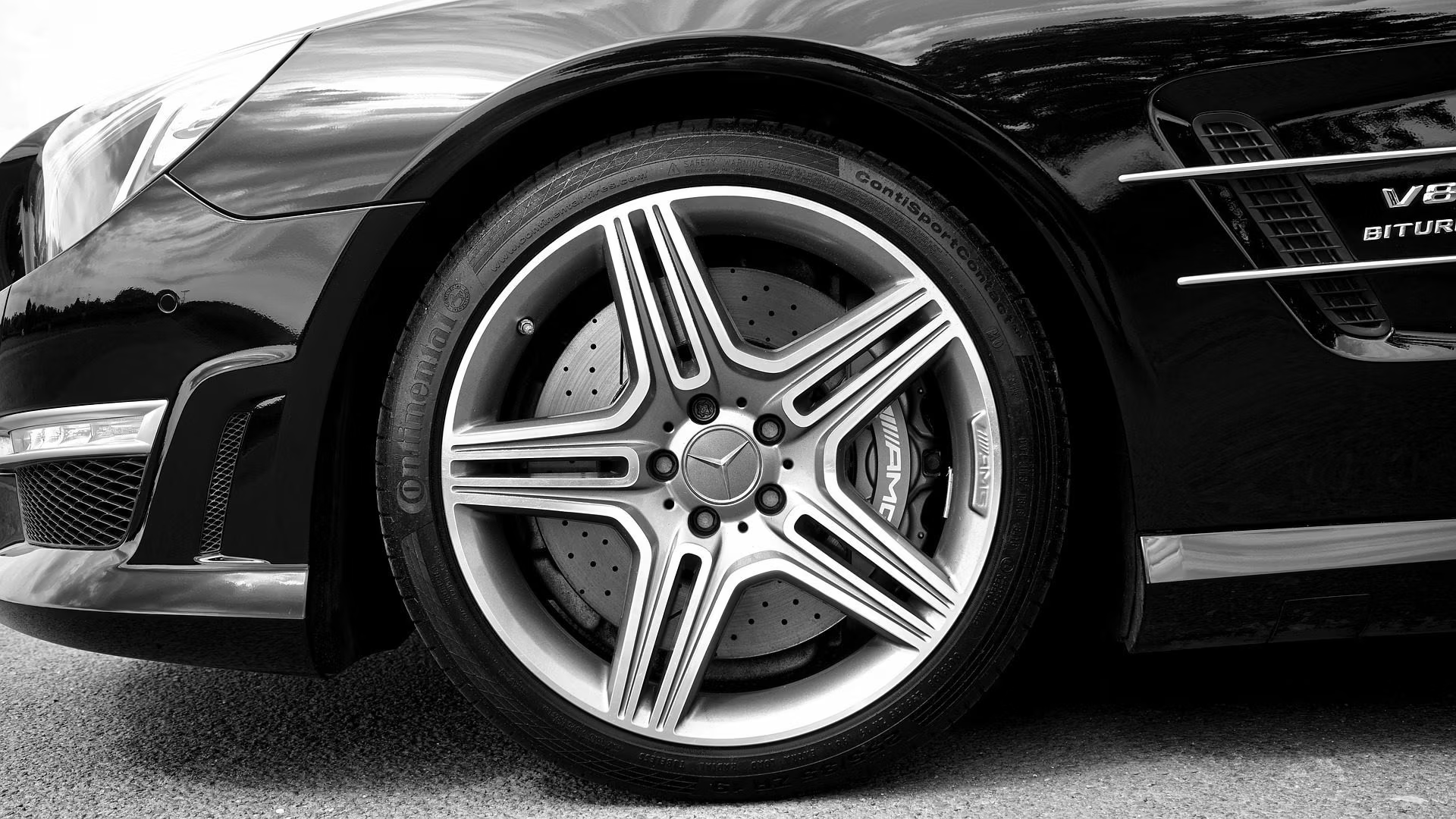
Pros:- There is a large variety of designs available
- It has a lighter frame which helps with fuel efficiency and fast acceleration
- It puts less strain on suspension components
- Commonly used in OEM parts (Original Equipment Manufacturer)
- It is a bit more expensive than steel
- Alloy wheels do not look aesthetically pleasing when they become damaged
- The wheel tends to crack with high impact and may need replacing in these cases
Chrome
Pros:- Chrome has the best appearance. It reflects elegance and class
- It retains its shine with good maintenance
- It has a high value and can help with the total resale value of your car
- Chrome can be very expensive if it is imported from the manufacturer
- It is not easily available due to its high value – this is the reason it is imported which can lead to delays and costs
- Chrome tends to be heavy which can impact the fuel efficiency of your vehicle
- It can sometimes also a strain on suspension
Which type of car wheels or rims should I choose?
Choosing a car wheel will depend on the type of car you have, your budget, and your preference. Knowing the different wheel types will help you to choose but sometimes it is best to consult a professional who can help you choose which is best for your car.The professional team of mechanics at CRS Automotive Hamilton can help you to choose between the different types of car wheelsIn case you’re not sure which way to go when it comes to replacing the wheels on your car, we are here to lend you a helping hand. Come to our repair shop in Hamilton today or contact us for more info on car wheel types! We are located only 4 min walking South West of Tim Hortons Field and 4 min walk West of Bernie Morelli Recreation Centre.Frequently Asked Questions
What are the main wheel materials and how do they differ?
Common wheel materials are steel, aluminum (cast or forged), chrome-plated, and alloy (typically aluminum with magnesium). Steel is strong and affordable but heavier and usually plain in appearance. Aluminum wheels are lighter than steel and improve handling; forged aluminum is stronger than cast. Chrome wheels are visually striking and resist corrosion when maintained. Alloy wheels combine light weight and strength, improving handling and braking.
How does wheel size affect vehicle performance and comfort?
Larger wheels can improve visual appearance, increase road contact, and often enhance handling and braking. However, bigger wheels and tires usually weigh more, which can reduce acceleration, increase fuel consumption, and transmit more road harshness to the cabin. Maintaining a wheel/tire diameter close to the manufacturer’s specification helps avoid safety, performance, and fitment issues.
Are alloy wheels better than steel wheels for everyday driving?
Alloy wheels are generally lighter and offer a wider range of designs, which can improve fuel efficiency, acceleration, and handling compared with steel. Steel wheels are typically cheaper, easier to repair if bent, and durable for harsh use. The best choice depends on budget, driving conditions, and aesthetic preference.
What are common downsides of chrome wheels?
Chrome wheels can be expensive and sometimes harder to source. They tend to be heavier than other options, which can negatively affect fuel efficiency and suspension wear. Chrome finishes also require regular cleaning and polishing to maintain appearance, and severe damage may be costly to repair.
How should I choose the right wheels for my vehicle?
Choose wheels based on your vehicle type, driving needs, budget, and manufacturer fitment specifications. Keep wheel and tire diameter close to the original to avoid fitment and safety issues. If unsure, consult professional technicians—CRS Automotive in Hamilton can advise on material, size, and suitable wheel options for your car, light truck, hybrid, or electric vehicle.